Autoethnography and the Philosophy of Play is 190 pages. Playing it is much more fun and might even come closer to reality than reading it ever could.
Below you’ll find courses, workshops and encounters that bring the philosophy of play into your lived practice.
Course:
Playing With Your Life.
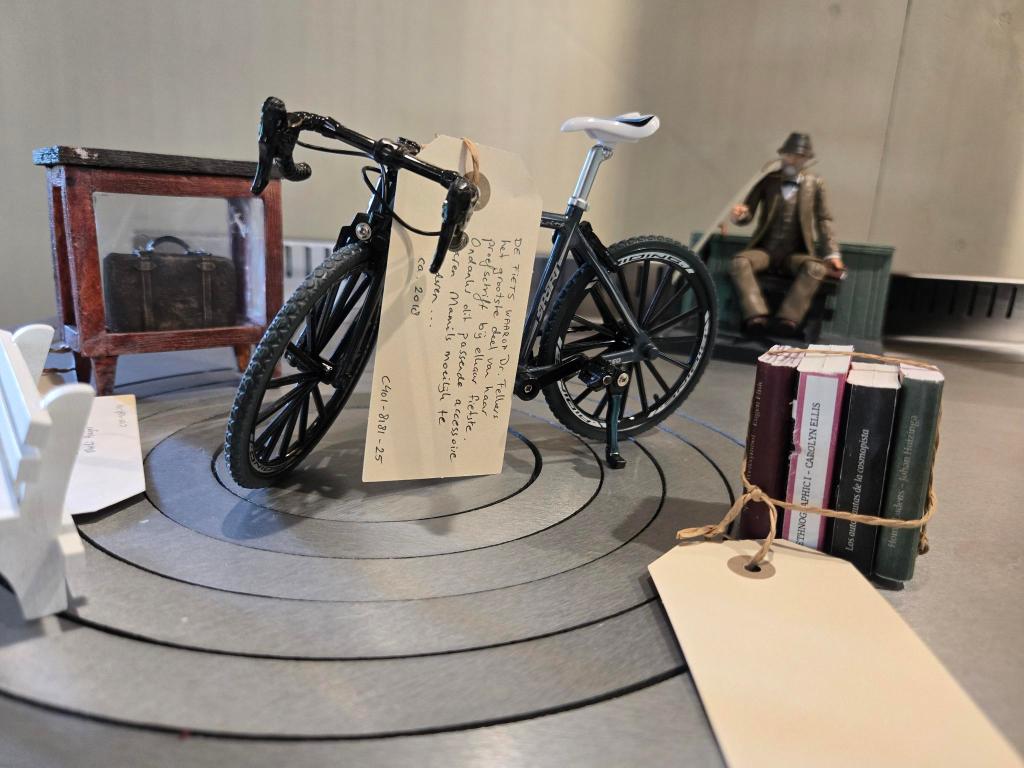
I used to watch cycling with my father on the Belgian television and then re-enact the races on my own bicycle. Sometimes I would sit completely still on the bike, because in my play-world this meant that I could “cycle really fast and far”.
That small act contains the starting point for this course.
Playing with Your Life asks you to take something you once played and remake it in the present. The idea is to discover what that play could do. So it isn’t about explaining your childhood play, but exploring what emerges when you begin to play with it again. What happened to space, time, objects, rules and possibility when you played? And what happens when you enlarge one of those principles and bring it into your life now?
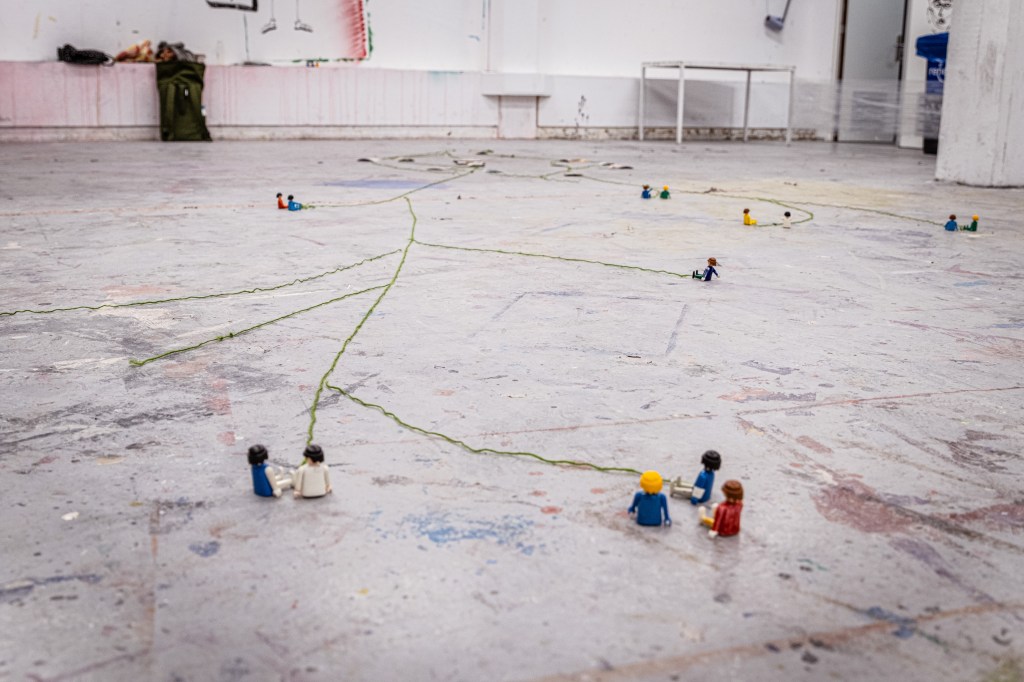
This is where Eugen Fink’s philosophy of play becomes practical. The course takes seriously his idea that childhood play touches the centre of existence. Perhaps this is possible because our young lives contained fewer established patterns and conventions, and more plasticity. Childhood play is therefore approached not primarily through psychology, but through the characteristics of play itself: its ability to create another world while remaining entangled with this one.
The course invites you to find a small piece of childhood play and scale it up. Not to become a child again, but to reactivate a way of encountering the world that you may once have known how to practise. Elements of storytelling (as in the book) are introduced alongside theatrical devices such as ‘the moment before’, allowing you to experiment with the permeability of play in everyday life.
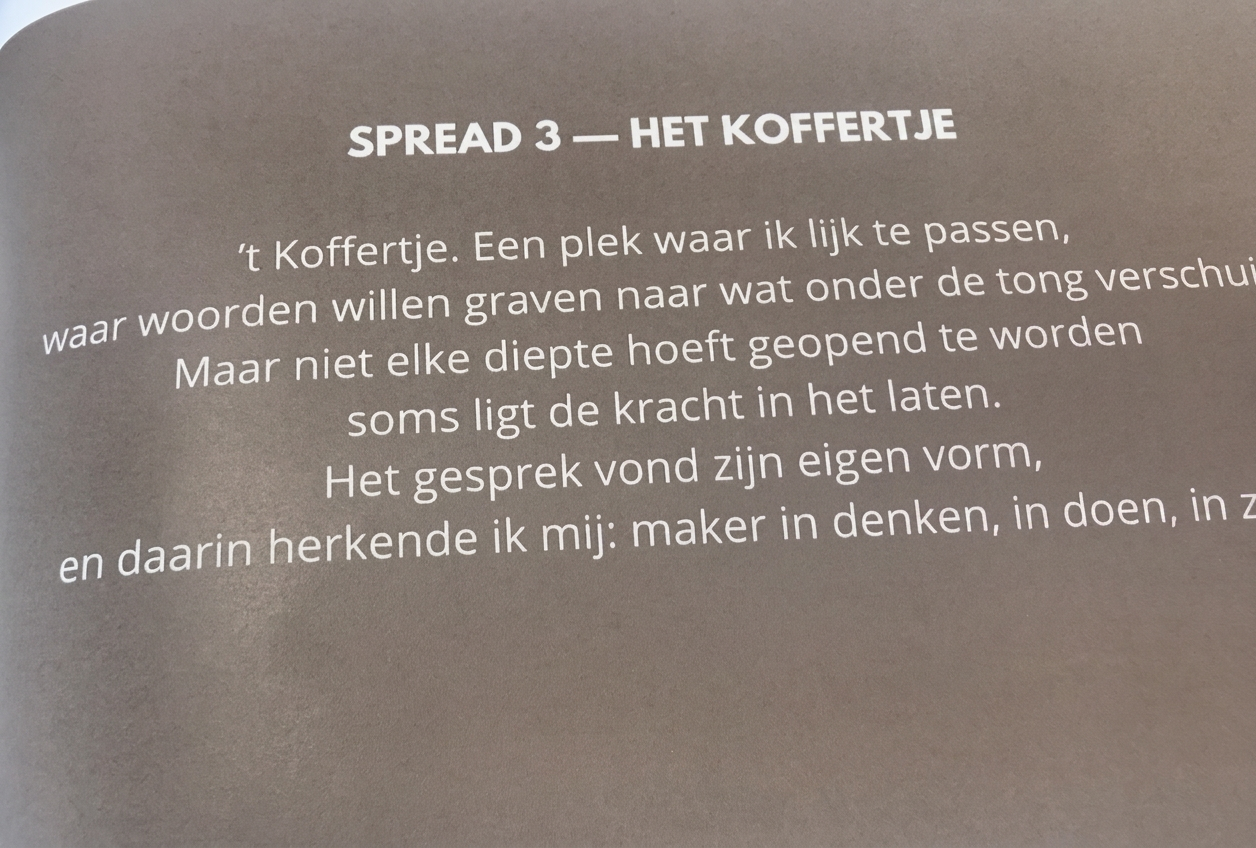
The Suitcase
The Suitcase unfolds through six practical modules in which you remake something you have already made, done or experienced — in miniature.
Inspired by Marcel Duchamp’s Box in a Valise, you work with scale, material and arrangement to create a small, portable world. The miniature is not simply a representation of what happened before. By making it smaller, moving it around and presenting it anew, new relations and possibilities begin to appear.
This is where mimesis becomes generative.
Rather than starting with an abstract question, we begin with what is there: looking, touching, moving, listening and wondering. Questions emerge from the objects and from the relations between them.
The Suitcase is therefore both a playful method and a philosophical tool: a way of allowing thought to emerge through making rather than requiring you to know beforehand what you are looking for.
Become an Autoplayographer
Practical information
Friday 14 May – Monday 17 May 2027
Klacken, Dalarna, Sweden
Maximum 4 participants
14.500 SEK per person
We begin on Friday with lunch at our home in Brattfors. This gives us time to arrive, meet one another and introduce the first ideas of the course. After lunch, we travel together to Klacken, where we stay until Monday.
The price includes:
- four days of guided autoplayographic inquiry
- philosophical sessions on the ontology of play
- time and freedom to roam and develop your own fieldwork
- individual and group reflection sessions
- three nights’ accommodation at Klacken
- all meals, beginning with lunch on Friday
- materials used during the course
- transport between Brattfors and Klacken
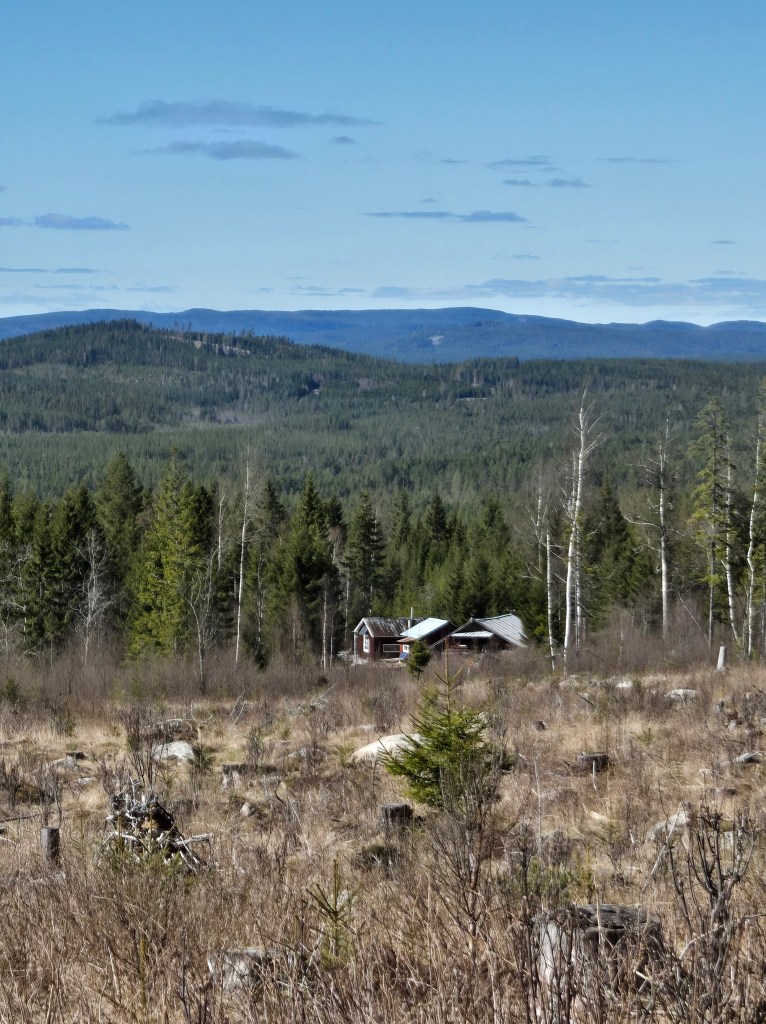
Klacken is an off-grid place. Accommodation is simple, with proper beds, water from our own spring and a dry toilet. There is no shower.
Klacken is not a spa retreat or a wellness affair. Its simplicity, its quietness and its closeness to the forest are precisely what make it the place it is, and part of what makes this inquiry possible.
Travel to and from Brattfors is not included.